Your weight and metabolism are deeply connected, yet often misunderstood. Many people struggle with slow metabolism, stubborn fat, or unexplained weight gain—despite trying diets and exercise routines. The truth is, managing your weight isn’t just about eating less; it’s about understanding how your body uses energy and making smarter lifestyle choices.
In this guide, you’ll learn how metabolism works, why it slows down, and most importantly, how to boost it naturally for sustainable weight management.
What Is Metabolism and Why It Matters?

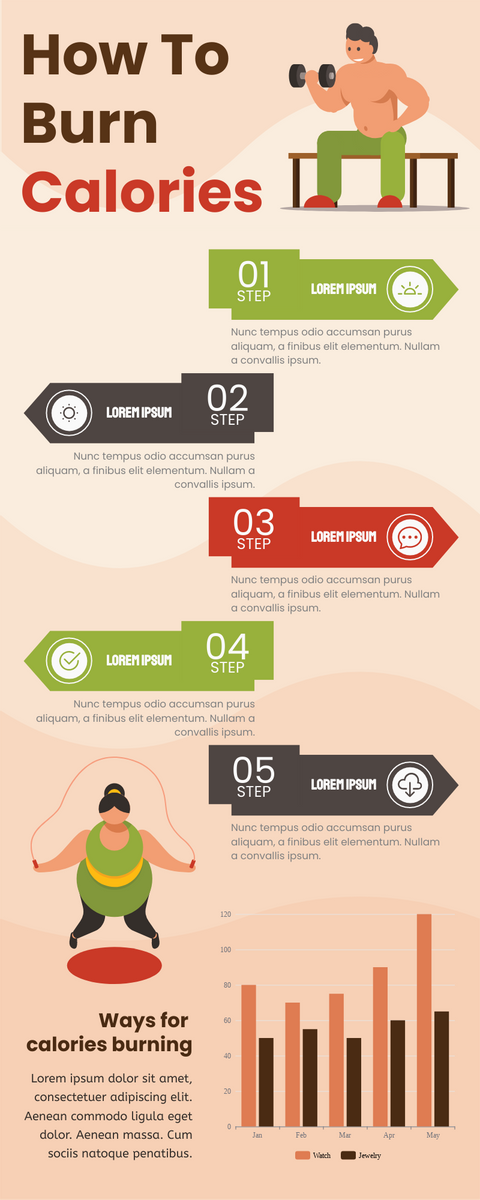
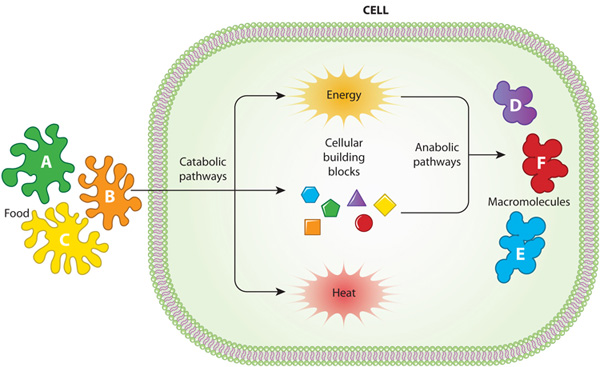
Metabolism refers to all the chemical processes your body uses to convert food into energy. This energy fuels everything—from breathing and digestion to movement and thinking.
Your metabolism includes:
-
Basal Metabolic Rate (BMR): Energy used at rest
-
Physical Activity: Calories burned through movement
-
Thermic Effect of Food: Energy used to digest food
A faster metabolism means your body burns more calories, even when you’re not active. A slower metabolism can make weight loss more challenging.
Factors That Affect Your Metabolism
Your metabolism isn’t fixed—it’s influenced by several factors:
Age
Metabolism naturally slows down as you get older, mainly due to muscle loss and hormonal changes.
Muscle Mass
Muscle burns more calories than fat, even at rest. The more muscle you have, the higher your metabolism.
Genetics
Some people are naturally predisposed to faster or slower metabolic rates.
Hormones
Hormonal imbalances, such as thyroid issues, can significantly affect metabolism.
Lifestyle Habits
Poor diet, inactivity, lack of sleep, and stress can all slow down your metabolism.
Understanding these factors helps you focus on what you can control—and improve.
Signs of a Slow Metabolism

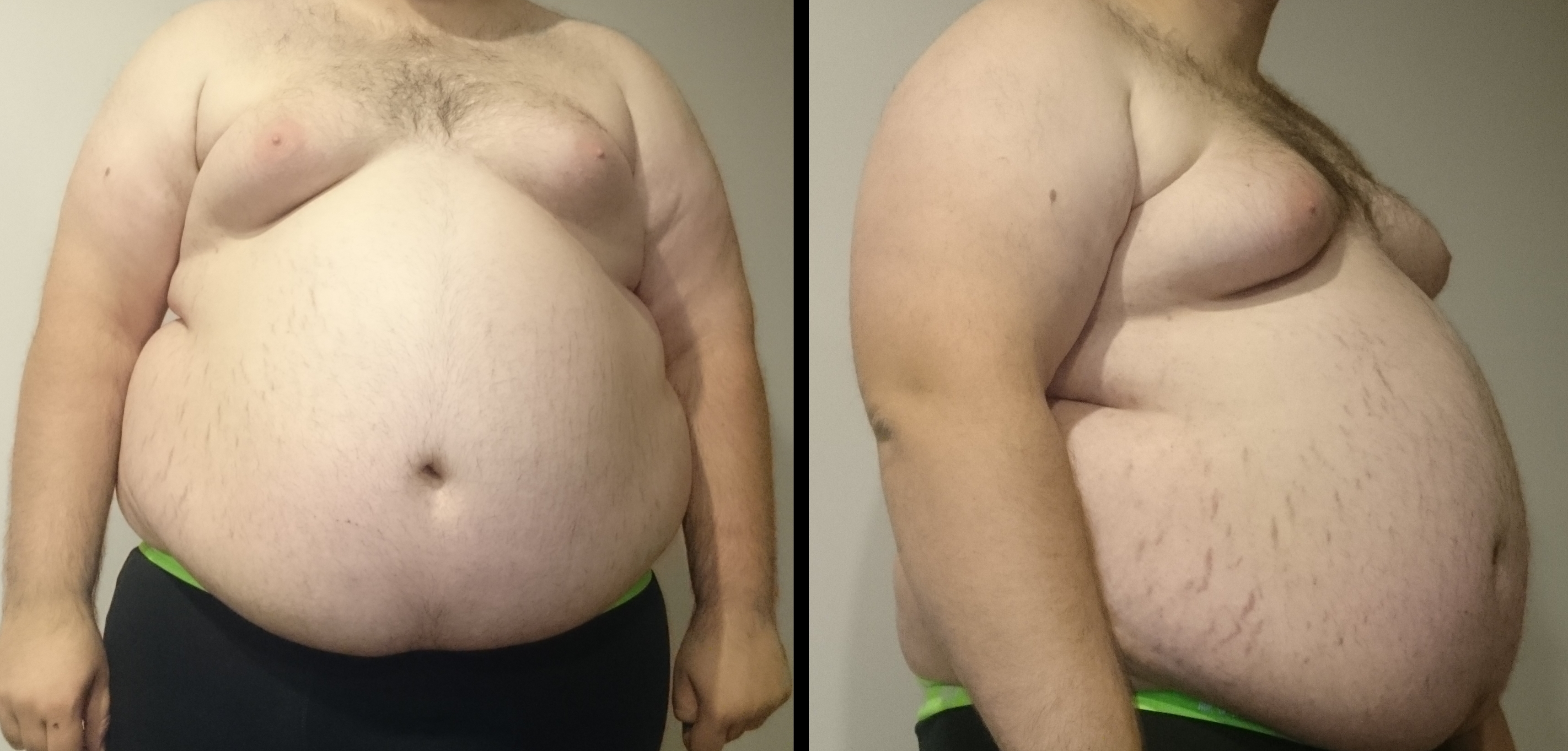

Not sure if your metabolism is slow? Here are some common signs:
-
Constant fatigue or low energy
-
Difficulty losing weight
-
Frequent cravings
-
Feeling cold easily
-
Dry skin or hair thinning
While these symptoms don’t always mean a slow metabolism, they can indicate that your body needs better support.
How to Boost Your Metabolism Naturally
Improving metabolism doesn’t require extreme diets or supplements. Small, consistent changes can make a big difference.
Eat Enough Protein
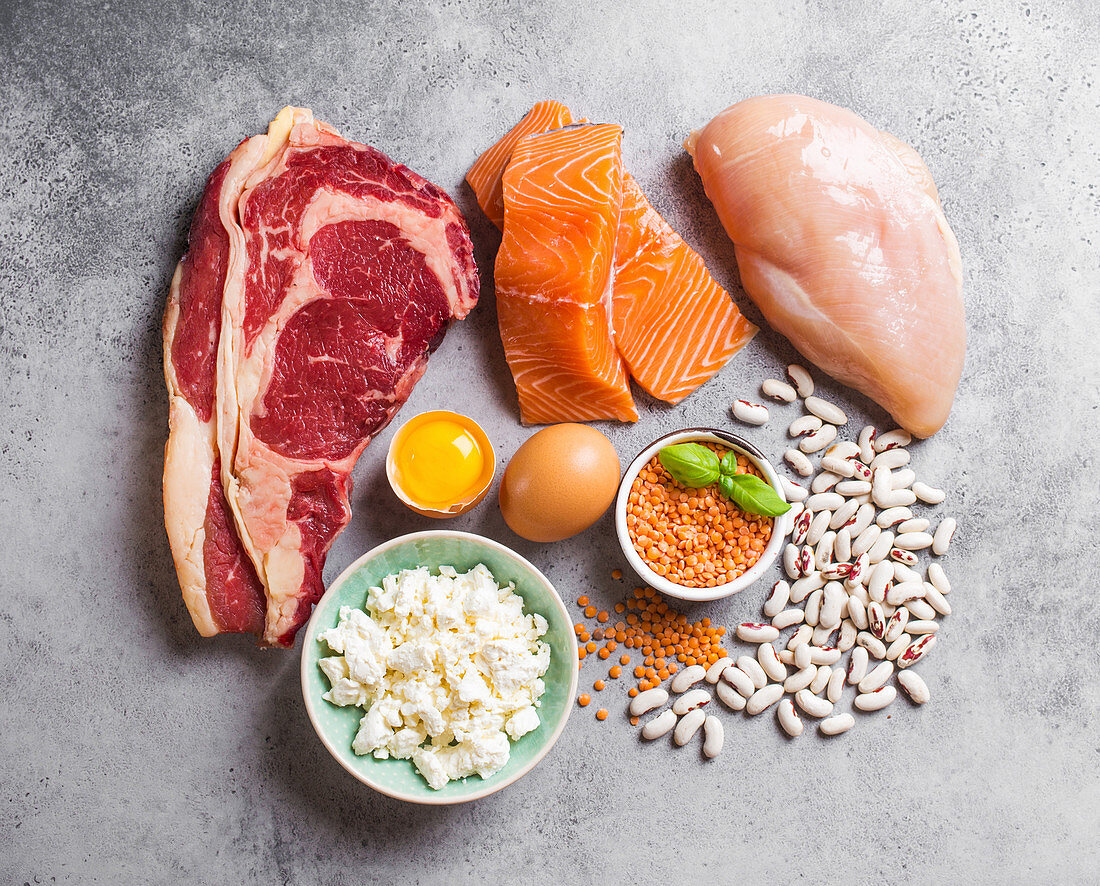
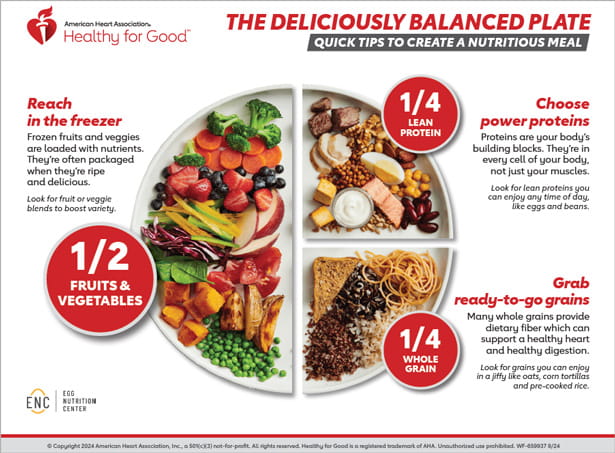

Protein increases the thermic effect of food, meaning your body burns more calories digesting it.
Smart tips:
-
Include protein in every meal
-
Choose lean sources like chicken, fish, eggs, beans, and yogurt
-
Avoid skipping meals
Stay Physically Active


Exercise is one of the most effective ways to increase metabolism.
Best approaches:
-
Combine cardio (walking, running) with strength training
-
Stay active throughout the day
-
Aim for at least 30 minutes daily
Strength training is especially powerful because it builds muscle, which burns more calories at rest.
Don’t Skip Meals
Skipping meals can slow your metabolism as your body tries to conserve energy.
What to do instead:
-
Eat regular, balanced meals
-
Avoid long gaps without food
-
Focus on nutrient-dense options
Get Quality Sleep

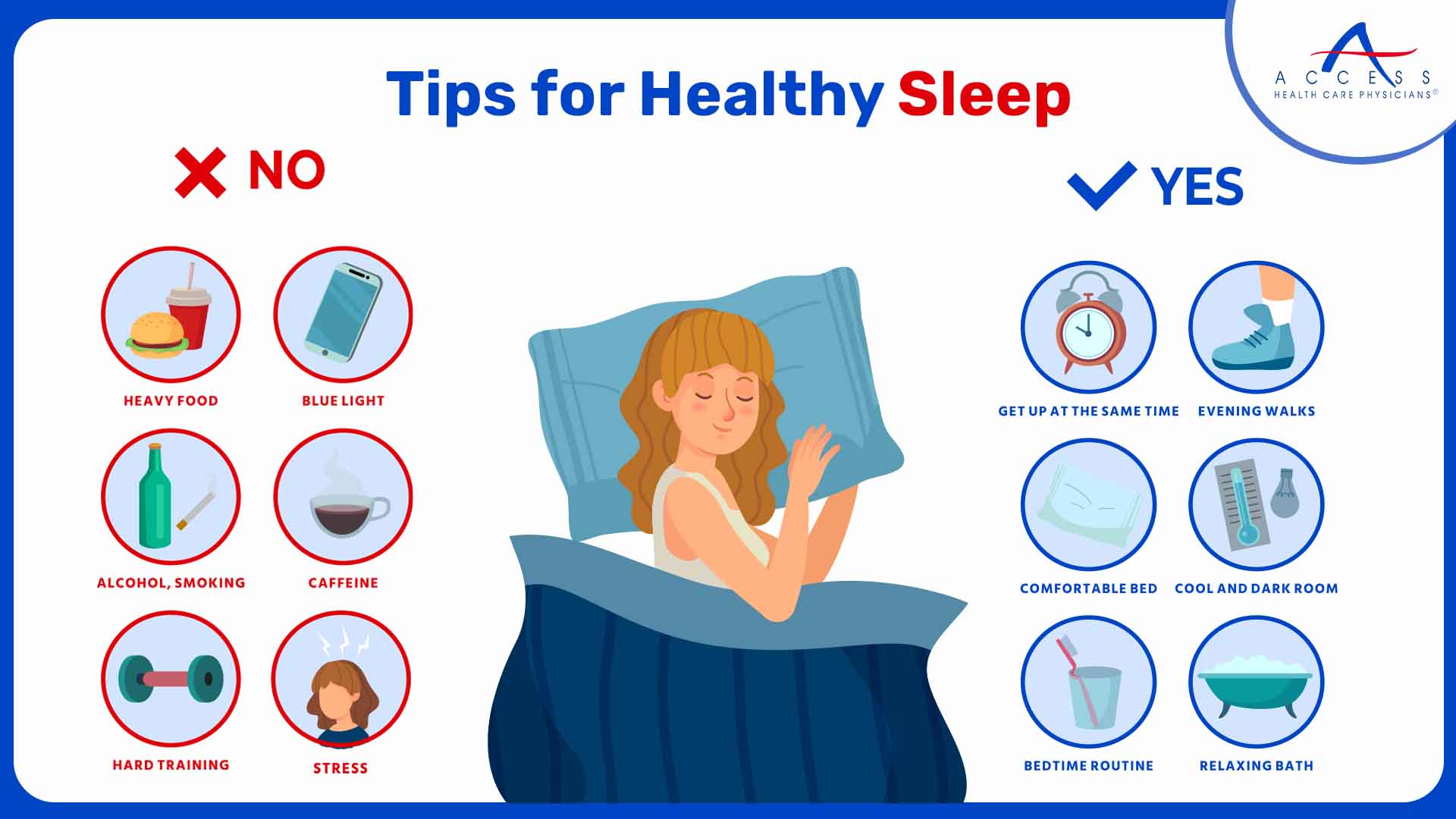

Poor sleep disrupts hormones that control hunger and metabolism.
Healthy sleep habits:
-
Sleep 7–8 hours daily
-
Avoid screens before bedtime
-
Maintain a consistent sleep schedule
Stay Hydrated
Water plays a key role in metabolic processes.
Simple habits:
-
Drink water throughout the day
-
Start your morning with a glass of water
-
Replace sugary drinks with water
Even mild dehydration can slow down calorie burning.
Manage Stress Levels



Chronic stress increases cortisol, a hormone linked to weight gain and slow metabolism.
Try this:
-
Practice meditation or deep breathing
-
Spend time outdoors
-
Engage in hobbies you enjoy
Foods That Support a Healthy Metabolism
Certain foods can naturally support your metabolism:
-
Green tea: May increase fat burning
-
Spicy foods: Temporarily boost metabolism
-
Whole grains: Require more energy to digest
-
Healthy fats: Support hormone function
-
Fruits and vegetables: Provide essential nutrients
Focus on balance rather than “magic” foods. No single item will transform your metabolism overnight.
Common Myths About Weight and Metabolism
Let’s clear up some confusion:
Myth 1: Starving helps you lose weight faster
Reality: It slows metabolism and leads to muscle loss.
Myth 2: Supplements can fix metabolism
Reality: Most supplements offer little to no real benefit.
Myth 3: Thin people have fast metabolisms
Reality: Body size, activity level, and habits matter more.
Myth 4: You can’t change your metabolism
Reality: Lifestyle changes can significantly improve it.
Frequently Asked Questions (FAQs)
1. Can I speed up my metabolism permanently?
You can’t completely change your genetic metabolism, but you can improve it through muscle building, healthy eating, and consistent activity.
2. Does drinking cold water boost metabolism?
Yes, slightly. Your body uses energy to warm the water, but the effect is small.
3. How important is breakfast for metabolism?
Breakfast can help regulate energy levels, but overall daily nutrition matters more than one meal.
4. Do cheat meals slow metabolism?
Occasional indulgence won’t harm your metabolism if your overall diet is balanced.
5. Is cardio or strength training better for metabolism?
Both are important, but strength training has a longer-lasting impact because it builds muscle.
Conclusion: Build a Smarter, Stronger Metabolism
Managing your weight and metabolism isn’t about quick fixes or extreme dieting—it’s about consistency, balance, and understanding your body.
By eating the right foods, staying active, sleeping well, and managing stress, you can naturally boost your metabolism and achieve sustainable weight control.
Start small, stay consistent, and remember: lasting change comes from daily habits—not temporary solutions.