A home is more than just a place to live. It’s where we relax after long days, spend time with family, and feel comfortable and secure. But keeping a home clean, organized, and properly maintained can sometimes feel overwhelming—especially when daily responsibilities pile up.
I personally realized this a few years ago when small household problems started adding up. A dripping tap, dusty corners, cluttered storage areas, and neglected maintenance tasks slowly turned into bigger issues. Fixing them later took much more time and effort than simply caring for them regularly.
That experience taught me an important lesson: consistent home care is the easiest way to protect your living space and avoid unnecessary stress.
In this guide, you’ll learn practical home care strategies that are simple, beginner-friendly, and easy to follow. These tips can help you keep your home clean, safe, and well-maintained without spending hours every day.
Why Regular Home Care Matters
Many people think home care is only about cleaning. In reality, it also includes maintenance, organization, safety checks, and preventive care.
Regular home care can help:
-
Keep your living environment healthier
-
Prevent expensive repairs later
-
Make your home more comfortable
-
Improve safety for family members
-
Reduce daily stress and clutter
For example, ignoring small issues like a loose cabinet hinge or clogged drain may not seem serious at first. However, over time these minor problems can grow into costly repairs.
Taking small steps regularly often makes the biggest difference.
Daily Home Care Habits That Make a Big Difference
One of the easiest ways to manage a home is to develop simple daily habits. These small actions take only a few minutes but help maintain order and cleanliness.
Make the Bed Each Morning
It may seem like a small detail, but making your bed immediately improves the look of your bedroom.
Benefits include:
-
Your room instantly looks cleaner
-
It creates a sense of routine
-
Encourages a more organized mindset
This habit alone can set a positive tone for the rest of the day.
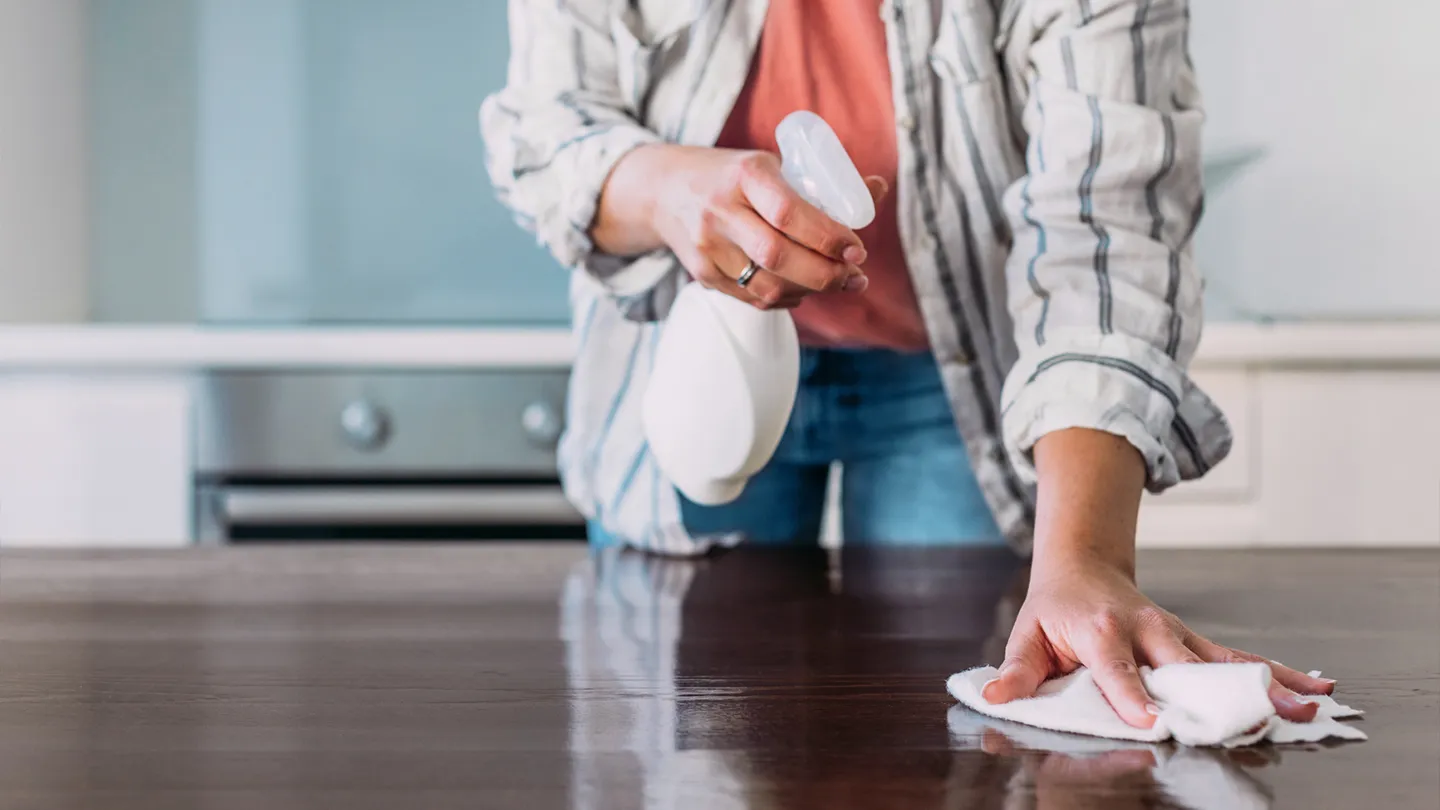
Clean Kitchen Surfaces After Cooking
The kitchen is one of the busiest areas of any home.
A quick wipe-down after meals helps prevent:
-
Food stains
-
Grease buildup
-
Unpleasant smells
Simple daily steps include:
-
Wiping countertops
-
Washing dishes or loading the dishwasher
-
Cleaning the sink
-
Putting food away properly
Doing this regularly avoids larger cleaning tasks later.
Declutter for 10 Minutes a Day
Clutter builds up quickly if ignored.
A simple 10-minute routine can help:
-
Put misplaced items back in their proper places
-
Organize surfaces like tables or counters
-
Throw away unnecessary packaging or waste
Over time, this small habit keeps your home from becoming overwhelming.
Weekly Home Maintenance Tasks
While daily habits maintain cleanliness, weekly tasks focus on deeper cleaning and small maintenance checks.
Vacuum and Mop Floors
Dust and dirt accumulate quickly on floors.
A weekly routine may include:
-
Vacuuming carpets and rugs
-
Sweeping hard floors
-
Mopping kitchen and bathroom areas
Regular cleaning helps maintain indoor air quality and keeps floors looking fresh.
Bathroom Cleaning
Bathrooms require consistent care because moisture can lead to mold or unpleasant odors.
Weekly tasks might include:
-
Cleaning sinks and mirrors
-
Scrubbing toilet surfaces
-
Washing shower walls or tubs
-
Replacing used towels
Keeping bathrooms clean improves hygiene and overall comfort.
Laundry and Fabric Care
Clothing, bedding, and towels should be cleaned regularly.
Helpful habits include:
-
Washing bedsheets once a week
-
Cleaning kitchen towels frequently
-
Separating laundry by fabric type
This routine keeps fabrics fresh and extends their lifespan.
Monthly Home Care Checks
Monthly checks focus on identifying small issues before they become serious problems.
Inspect Plumbing and Water Fixtures
Small leaks are easy to overlook.
Take a few minutes each month to check:
-
Under sinks for moisture
-
Showerheads and taps for drips
-
Toilet flushing systems
Early detection can help prevent water damage.
Clean Air Vents and Filters
Air circulation affects indoor comfort.
Monthly maintenance may include:
-
Cleaning ventilation covers
-
Checking air filters in cooling or heating systems
-
Removing dust from fan blades
These steps may help improve airflow and maintain cleaner indoor air.
Check Safety Equipment
Safety equipment should always be functional.
Important items to inspect include:
-
Smoke detectors
-
Fire extinguishers
-
Emergency lighting or batteries
Replacing batteries regularly can help ensure these tools work when needed.
Seasonal Home Care Tasks
Some home care tasks are best performed every few months, depending on the season.
Spring Cleaning and Organization
Spring is often a good time for deep cleaning and reorganizing.
Common tasks include:
-
Washing windows
-
Cleaning storage areas
-
Donating unused clothing
-
Organizing closets and cabinets
This process helps reset your home after winter months.
Preparing for Summer Heat
During warmer seasons, focus on cooling and ventilation.
Helpful steps may include:
-
Checking fans and cooling systems
-
Cleaning window screens
-
Ensuring proper airflow through rooms
Proper ventilation can improve comfort during hot weather.
Preparing for Colder Weather
When temperatures drop, certain preparations help keep your home comfortable.
Examples include:
-
Checking window seals
-
Inspecting insulation areas
-
Cleaning heating systems
These steps may help maintain warmth and efficiency.
Simple Organization Tips for Every Room
Organization plays a major role in home care. A well-organized home feels calmer and easier to maintain.
Kitchen Organization
Try these simple strategies:
-
Store frequently used items within easy reach
-
Use containers for dry foods
-
Label storage jars and boxes
-
Avoid overcrowding cabinets
Keeping your kitchen organized saves time during cooking.
Living Room Organization
The living room often becomes a place where items collect quickly.
Helpful tips include:
-
Using storage baskets for small items
-
Keeping remote controls in one place
-
Clearing coffee tables daily
These small adjustments maintain a welcoming space.
Bedroom Organization
Bedrooms should feel calm and restful.
Good habits include:
-
Keeping bedside tables minimal
-
Rotating seasonal clothing
-
Using under-bed storage for extra items
An organized bedroom may also support better relaxation.
Common Home Care Mistakes to Avoid
Even with good intentions, many homeowners make small mistakes that lead to unnecessary problems.
Ignoring Small Repairs
Minor problems like loose handles or dripping taps often get ignored.
However, these issues can gradually worsen and become costly.
Fixing them early usually requires much less effort.
Using Too Many Cleaning Products
Some people believe stronger cleaning products always work better.
In reality:
-
Too many chemicals can damage surfaces
-
Some products may leave residue
-
Simpler cleaners often work just as effectively
Using the right product for each task is usually more effective.
Overloading Storage Areas
Stuffing closets or cabinets with too many items makes organization difficult.
Instead:
-
Regularly remove unused items
-
Donate things you no longer need
-
Maintain open storage space
This approach keeps your home manageable.
Creating a Simple Home Care Routine
One of the easiest ways to maintain your home is by creating a simple care routine.
Here’s an example structure:
Daily
-
Make the bed
-
Wipe kitchen surfaces
-
Tidy living areas
Weekly
-
Vacuum floors
-
Clean bathrooms
-
Do laundry
Monthly
-
Inspect plumbing
-
Clean vents
-
Check safety equipment
Following a routine like this can prevent overwhelming cleaning sessions.
When to Consider Professional Help
While many home care tasks are easy to handle yourself, some situations may require professional assistance.
Examples include:
-
Electrical issues
-
Major plumbing problems
-
Structural repairs
-
HVAC system maintenance
Getting professional help when needed may protect your home and prevent further damage.
Small Habits That Keep a Home Comfortable
Over time, I’ve noticed that small habits matter more than occasional big cleaning days.
Some helpful habits include:
-
Putting things back immediately after use
-
Cleaning spills right away
-
Doing small maintenance checks regularly
-
Avoiding clutter buildup
These simple actions make home care feel manageable rather than stressful.
Final Thoughts
Caring for your home doesn’t require complicated systems or expensive tools. In most cases, consistent small habits make the biggest difference.
By combining daily tidying, weekly cleaning, and occasional maintenance checks, you can keep your living space comfortable, organized, and safe.
The most important thing to remember is that home care is not about perfection. It’s about creating a space that supports your daily life and helps you feel relaxed and secure.
With the practical tips in this guide, maintaining your home can become a simple routine instead of a stressful task. Over time, these habits may help you protect your home, save time, and enjoy a cleaner and more comfortable living environment.