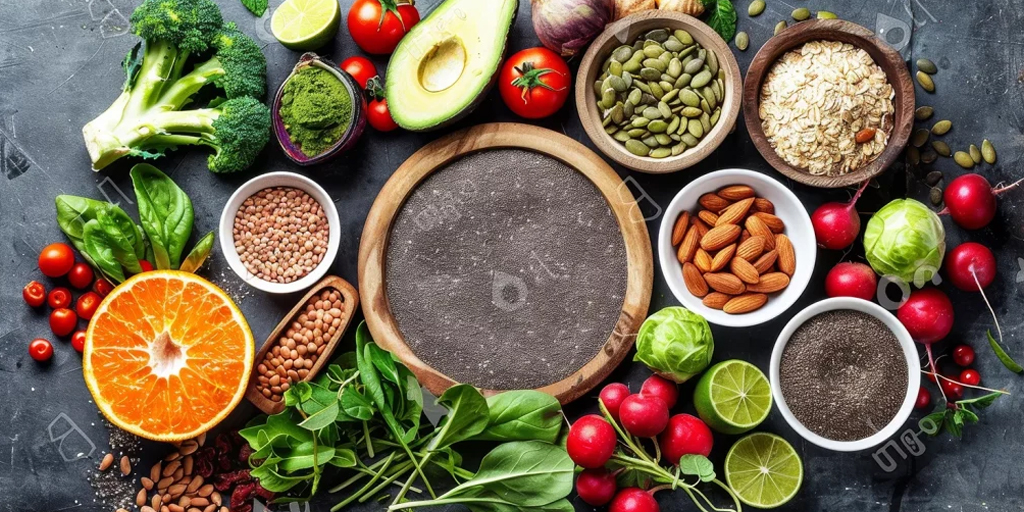
Healthy eating is something many people want to achieve, but it often feels complicated. With countless diet trends, strict meal plans, and conflicting advice online, it’s easy to feel confused about what actually works.
I personally struggled with this a few years ago. I tried several popular diet plans that promised quick results, but they were difficult to follow long-term. Some required expensive ingredients, while others completely removed foods I enjoyed. Eventually, I realized that the most effective approach was not a strict diet at all—it was building practical, sustainable eating habits.
Practical diet solutions focus on simple changes that fit into everyday life rather than extreme restrictions. These strategies help people improve their nutrition while maintaining balance and flexibility.
In this guide, we will explore realistic diet solutions that can help support better health, improve energy levels, and make healthy eating easier to maintain.
Why Many Diet Plans Fail
Many traditional diets fail because they are too restrictive or unrealistic for daily life. When a diet removes too many foods or requires complicated rules, people often struggle to maintain it.
Some common reasons diets fail include:
-
Extremely strict calorie limits
-
Eliminating entire food groups
-
Complicated meal preparation
-
Lack of flexibility for social situations
-
Unrealistic expectations for quick results
While these plans may work temporarily, they are often difficult to maintain long term. Practical diet solutions, on the other hand, focus on long-lasting habits rather than short-term fixes.
The Foundation of a Balanced Diet
A balanced diet provides the body with essential nutrients needed for daily functioning. Instead of focusing on what to remove from your diet, it’s often more helpful to focus on what to include.
A balanced diet typically contains:
-
Fruits and vegetables
-
Whole grains
-
Protein sources
-
Healthy fats
-
Adequate water intake
These elements help support energy levels, digestion, and overall well-being.
Smart Portion Control
One of the most practical ways to improve eating habits is by adjusting portion sizes. Many people unintentionally eat larger portions than their bodies need.
Simple Portion Control Tips
Try these easy strategies:
-
Use smaller plates for meals
-
Avoid eating directly from large packages
-
Pause during meals to check if you feel full
-
Serve meals in the kitchen instead of at the table
These habits may help prevent overeating without requiring strict food restrictions.
Building a Balanced Plate
A helpful way to plan meals is by building a balanced plate.
A simple guideline often includes:
-
Half the plate: vegetables or fruits
-
One-quarter: protein foods
-
One-quarter: whole grains or healthy carbohydrates
This structure helps provide a mix of nutrients that support balanced eating.
Examples of Balanced Meals
Some simple meal ideas include:
-
Grilled chicken with brown rice and steamed vegetables
-
Vegetable stir-fry with tofu and whole-grain noodles
-
Lentil soup with a side salad and whole-grain bread
Meals like these are satisfying while providing a variety of nutrients.
Healthy Snacking Strategies
Snacking can be helpful when done thoughtfully. It helps maintain energy between meals and may prevent overeating later.
However, many common snack foods are highly processed and low in nutritional value.
Better Snack Options
Consider snacks such as:
-
Fresh fruit with yogurt
-
Nuts or seeds in small portions
-
Whole-grain crackers with hummus
-
Vegetable sticks with healthy dips
These options often provide better nutrition than sugary or heavily processed snacks.
Meal Planning for Busy Schedules
One of the biggest challenges people face is finding time to prepare healthy meals.
Meal planning can help simplify the process and reduce the temptation to rely on fast food or convenience meals.
Simple Meal Planning Tips
You don’t need a complicated system. Try these basic steps:
-
Choose a few meals for the week
-
Prepare a shopping list based on those meals
-
Cook larger portions that can be used for multiple meals
-
Store leftovers for busy days
This approach can save time and reduce daily cooking stress.
Staying Hydrated Throughout the Day
Hydration plays an important role in overall health and digestion. However, many people underestimate how much water they need.
Some signs of inadequate hydration may include:
-
Feeling tired
-
Difficulty concentrating
-
Headaches
-
Dry skin
Easy Ways to Drink More Water
Try these habits:
-
Keep a water bottle nearby
-
Drink water before meals
-
Add lemon or fruit slices for flavor
-
Replace sugary drinks with water more often
These small changes may support better hydration.
Reducing Added Sugar
Excess sugar consumption is common in modern diets, especially through beverages and packaged snacks.
Reducing added sugar may help support healthier eating patterns.
Common Sources of Added Sugar
Examples include:
-
Soft drinks
-
Sweetened coffee drinks
-
Packaged desserts
-
Candy and sugary snacks
Gradually reducing these foods often feels more manageable than eliminating them completely.
Avoiding Highly Processed Foods
Processed foods can be convenient, but many contain excess salt, sugar, and unhealthy fats.
Examples include:
-
Instant noodles
-
Packaged snack foods
-
Processed meats
-
Frozen fast-food meals
While occasional consumption is normal, focusing more on whole or minimally processed foods often supports healthier eating habits.
Eating Mindfully
Mindful eating is a simple but powerful practice that encourages awareness during meals.
Many people eat while watching television or using their phones, which may lead to overeating.
Tips for Mindful Eating
Consider these habits:
-
Eat slowly and chew thoroughly
-
Pay attention to flavors and textures
-
Avoid screens during meals
-
Stop eating when comfortably full
These small adjustments may improve digestion and overall satisfaction with meals.
Common Diet Mistakes to Avoid
When trying to improve eating habits, some common mistakes can make the process more difficult.
Skipping Meals
Some people skip meals in an attempt to reduce calorie intake. However, this often leads to excessive hunger later in the day.
Balanced meals at regular intervals usually support more stable energy levels.
Following Extreme Diet Trends
Extreme diets may promise quick results but are often difficult to maintain long term.
Instead, gradual changes that fit your lifestyle tend to produce more sustainable results.
Ignoring Nutritional Balance
Focusing on only one nutrient—such as protein or carbohydrates—may lead to an unbalanced diet.
Including a variety of foods helps ensure the body receives different nutrients.
Creating a Practical Diet Routine
Instead of strict rules, a practical routine focuses on manageable habits.
A simple daily approach might include:
Morning
-
Balanced breakfast with protein and whole grains
Afternoon
-
Nutritious lunch with vegetables and healthy carbs
Evening
-
Light dinner with balanced nutrients
Throughout the day
-
Healthy snacks when needed
-
Consistent hydration
Over time, these habits may support better eating patterns without feeling restrictive.
The Importance of Consistency
One of the most important aspects of healthy eating is consistency rather than perfection.
Occasional indulgences are part of normal life. What matters most is maintaining balanced habits most of the time.
Some helpful reminders include:
-
Focus on long-term patterns rather than single meals
-
Avoid guilt around occasional treats
-
Make gradual improvements over time
These strategies help create a positive relationship with food.
When Professional Guidance May Help
In some cases, personalized guidance can be beneficial.
A qualified nutrition professional may help individuals who:
-
Have specific dietary needs
-
Are managing certain health conditions
-
Need customized meal plans
Professional advice can provide tailored guidance based on individual circumstances.
Final Thoughts
Healthy eating does not have to be complicated or restrictive. Practical diet solutions focus on simple habits that are easy to maintain in everyday life.
By paying attention to portion sizes, choosing balanced meals, reducing processed foods, and staying hydrated, many people can gradually improve their eating habits.
The key is consistency. Small changes made regularly often lead to meaningful improvements in overall well-being.
With patience and realistic goals, practical diet habits can become a natural and enjoyable part of daily life.